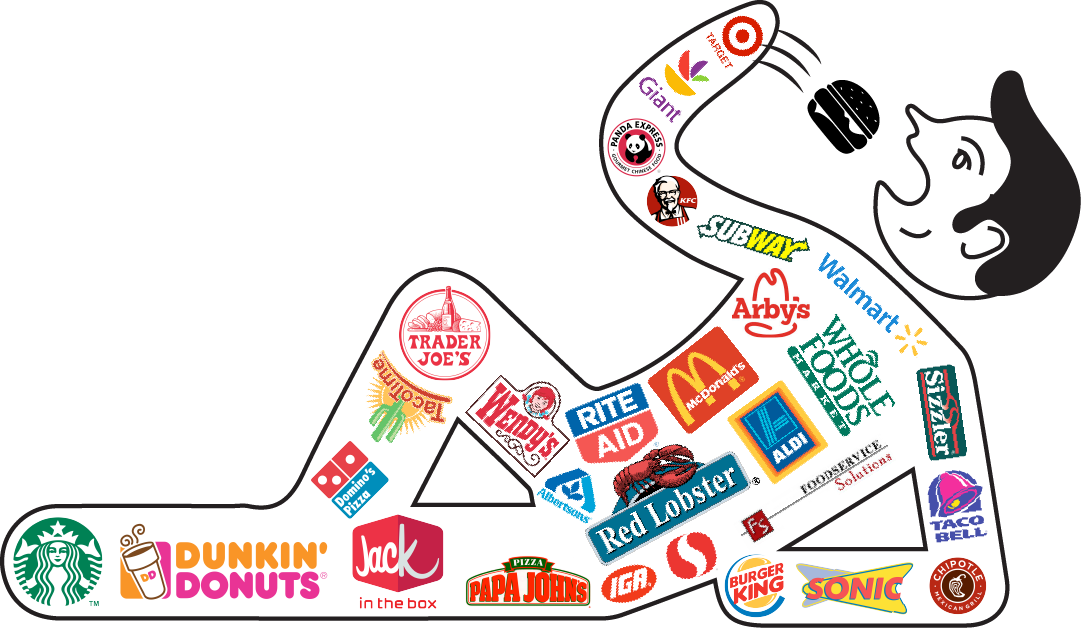
This is a Grocerant Guru® Perspective on Brand Distraction,
Identity Dilution & the Myth of Multi-Brand Success.
For
decades, multi-brand restaurant groups have promised stability, scale, and
marketing muscle. From Darden, Yum! Brands (KFC / Pizza Hut / Taco
Bell), Restaurant Brands International (Burger King / Popeyes / Tim
Hortons / Firehouse Subs), to Bloomin’ Brands (Outback / Carrabba’s /
Bonefish / Fleming’s)—the strategy has been simple: bundle strong concepts
under one corporate roof, share back-office systems, leverage supply-chain
buying power, and dominate.
Yet
today, as the restaurant industry continues its seismic shift toward off-premise
consumption, meal-component bundling, retail crossovers, and fresh-forward
convenience, a troubling truth is emerging:
Multi-brand
companies unintentionally dilute their own brands. One concept distracts from
another, and few—if any—benefit equally from the corporate spotlight.
From the Grocerant Guru® vantage point, the industry has entered a new era
where focus wins, speed wins, and brand clarity wins.
And
that is exactly where many multi-brand operators are losing.

Four Major Multi-Brand Restaurant Companies & How Brand Distraction Happens
1. Yum! Brands – KFC / Pizza Hut / Taco Bell
Yum!
Brands is the world’s largest multi-brand restaurant company. But its portfolio
suffers from drastically different brand personalities, consumption
occasions, and marketing needs.
How distraction happens:
·
Taco Bell’s cultural dominance
often overshadows the slower-moving KFC and Pizza Hut brands.
·
KFC’s global strategy (especially in
Asia) bears little resemblance to Pizza Hut’s dine-in heritage or Taco Bell’s
youthful, experiential campaigns.
·
When capital and media attention lean
into the hottest brand, others wait their turn—and lose momentum.
Example:
When
Taco Bell drives aggressive LTOs, digital innovation, and cultural
collaborations, Pizza Hut looks comparatively dated. KFC, depending on region,
has competing marketing tone and pacing. The “halo effect” doesn’t transfer—it
only spotlights the gap.

2. Darden Restaurants – Olive Garden / LongHorn / Cheddar’s
/ Yard House / Capital Grille
Darden
runs some of America’s most iconic brands, but they also compete for the same
middle-income, casual-dining consumer.
How distraction happens:
·
Olive Garden—Darden’s biggest revenue
driver—absorbs most corporate energy and media.
·
LongHorn’s evolving steakhouse
identity receives far less brand investment.
·
Yard House, Capital Grille, and
Cheddar’s each need specialized, high-touch brand strategies—not
shared or repurposed ones.
Example:
Olive
Garden’s relentless value-forward “Never Ending” campaigns make it difficult
for other Darden concepts to differentiate themselves. Yard House’s premium
craft-elevated tone gains nothing from being in a portfolio dominated by an
Italian heritage value brand.

3. Restaurant Brands International – Burger King / Popeyes
/ Tim Hortons / Firehouse Subs
RBI
built a global powerhouse, but internally, the battle for identity and
investment is constant.
How distraction happens:
·
The multi-year “Reclaim the Flame”
turnaround of Burger King has siphoned capital, executives, and innovation
resources away from the other brands.
·
Popeyes, despite massive growth, is
slowed when its needs overlap with BK’s digital or supply-chain priorities.
·
Tim Hortons’ Canadian market
sensitivity requires a tailored approach foreign to BK’s global swagger.
Example:
Popeyes’
chicken sandwich success exploded, yet the company couldn’t fully capitalize
globally because RBI was reallocating large-scale operational resources to
rescue Burger King.

4. Bloomin’ Brands – Outback / Carrabba’s / Bonefish Grill
/ Fleming’s
Bloomin’
Brands owns four strong concepts, yet their brand architectures overlap and
blur.
How distraction happens:
·
Outback’s size forces all other brands
to take a back seat each time there’s a corporate push.
·
Bonefish’s polished-casual seafood
niche receives inconsistent marketing due to resource cycling.
·
Carrabba’s has been caught between
“authentic Italian” and “casual American Italian,” never fully owning either
lane.
Example:
When
Outback runs major national campaigns, Carrabba’s rarely runs synchronized or
equally loud messaging. Their customer bases overlap, but one consistently
drowns out the other.

Why These Brands Might Perform Better Alone
From
the Grocerant Guru® perspective, restaurant consumers today reward:
·
Authenticity of message
·
Speed of innovation
·
Meal-component flexibility
·
Value clarity
·
Brand-specific storytelling
None
of these are strengths of a corporate shared-services model.
Independent brands often:
·
Build sharper identity.
·
Scale menus and technology faster.
·
Avoid internal competition for
capital.
·
Create more relevant, localized
marketing.
·
Actively partner with retailers,
C-stores, and grocerants without corporate red tape.
Multi-brand
companies often create “brand suburbs” where each concept lives near
each other—but none truly thrive.

Why The Melting Pot Is Not a Multi-Brand Success (Three
Grocerant Guru® Insights)
Insight 1: Multi-brand portfolios do not create
synergy—they create internal competition.
Brands
fight for:
·
capital
·
marketing airtime
·
digital upgrades
·
menu innovation cycles
The
strongest brand drains the spotlight; the weaker ones simply fade.

Insight 2: Consumers no longer shop by restaurant
brand—they shop by meal component.
Fast,
frictionless consumption is the new driver:
·
breakfast bundle
·
snack bundle
·
mix-and-match meal components
·
convenience-driven treats
·
immediate-destination cravings
Brands
with mixed messaging or diluted positioning cannot win in this precision-driven
era.

Insight 3: Scale no longer guarantees success—clarity does.
The
Grocerant Guru® observes a shift:
The brands with the clearest “who we are” story win the most frequent
visits.
A multi-brand structure makes this clarity difficult. Being smaller, more focused, and more nimble is now the competitive advantage.
Think About This
The
era of “bigger is better” foodservice strategy is fading. Multi-brand
restaurant conglomerates once promised efficiency, but today they often create
brand distraction, diluted identity, and operational drag.
The
future belongs to focused brands, sharp meal-component innovation, and
personalized relevance—not corporate melting pots.
If
these brands were set free, many would run faster, speak louder, and resonate
more authentically in a world where consumers reward clarity over
conglomeration.
For international corporate
presentations, educational forums, or keynotes contact: Steven Johnson Grocerant Guru® at Tacoma, WA based Foodservice
Solutions. His extensive experience as a
multi-unit restaurant operator, consultant, brand / product positioning expert
and public speaking will leave success clues for all. For more information
visit www.GrocerantGuru.com , www.FoodserviceSolutions.us or call 1-253-759-7869