Showing posts with label Grocery Stores. Show all posts

Sunday, July 20, 2025

The Silent Collapse: How SNAP Cuts Could Spell Doom for Legacy Grocers — and Spark a Food Crisis in America’s Shadows


A look at how one federal policy change may unravel the traditional food ecosystem, fueling black-market bodegas and overwhelming food banks across the country from the minds-eye of Steven Johnson Grocerant Guru® at Tacoma, WA based Foodservice Solutions®.

The U.S. food industry is no stranger to disruption — from automation and delivery apps to the COVID-19 pandemic. But a quieter, more seismic shift is unfolding beneath the surface, threatening to gut traditional grocery stores and fracture food access for millions. The trigger? A controversial policy change: “Agriculture Secretary blocks SNAP benefits for undocumented immigrants”, following a $186 billion federal budget cut to the program.

At first glance, this appears to be just another political maneuver. But in reality, it may accelerate a long-brewing undercurrent that could collapse legacy grocers, overrun food banks, and create a shadow economy of underground food supply networks. Here's how.


SNAP’s Central Role in Retail Food Economics

The Supplemental Nutrition Assistance Program (SNAP) is not just a social safety net — it’s a backbone of the American grocery economy. Over 41 million people in the U.S. depend on SNAP to buy groceries, spending tens of billions of dollars annually at retail food outlets. In fact, one in every eight dollars spent in grocery stores is tied to SNAP.

Legacy grocery stores — especially regional chains and rural supermarkets — depend heavily on SNAP dollars. These stores are already operating on razor-thin margins (typically 1–2%). The abrupt removal of millions of undocumented immigrants from SNAP eligibility — and deeper program-wide budget cuts — risks cutting out large swaths of revenue from fragile stores, particularly in low-income and immigrant-heavy communities.


The Coming Crisis: What Grocery Stores Stand to Lose

1.       Loss of SNAP-dependent foot traffic: Many low-income shoppers cluster their spending around SNAP availability dates. The reduction of eligible recipients means fewer store visits and smaller baskets.

2.       Rural and urban food deserts will widen: Small-town grocers, already sparse, rely disproportionately on government-backed spending. Their closure will leave vast food deserts behind.

3.       Accelerated bankruptcies: We’ve already seen legacy names like Safeway, Winn-Dixie, and Kroger shutter locations. These cuts could push more of them over the edge — particularly in lower-income ZIP codes.

4.       Job losses: Retail grocery employs more than 3 million workers nationwide. As stores close, low-wage workers (many of whom are SNAP recipients themselves) may be pushed into deeper economic instability.


Rise of the Underground Bodega

History shows that when access to necessities is restricted, alternative economies arise. With SNAP restrictions tightening, and the formal food industry crumbling in some neighborhoods, informal bodegas, pop-up street vendors, and even black-market food sales may fill the gap.

These underground markets may:

·       Operate outside regulatory oversight (health, safety, taxation)

·       Sell expired, diverted, or surplus goods at inflated or under-market prices

·       Become essential for undocumented or unbanked communities, who now face barriers to both income and nutrition

This is not speculative: During past economic downturns and crises, similar phenomena emerged in cities from New York to Los Angeles — informal corner stores selling basics like rice, beans, diapers, and medicine, often in cash-only environments.


Food Banks: The Final Failing Line of Defense

Already overwhelmed post-pandemic, food banks across the U.S. are stretched thin. They rely on federal funding, private donations, and surplus grocery stock. But if grocery stores begin to disappear — and government dollars shrink — food banks could face:

·       Unprecedented demand surges

·       Supply shortages as stores collapse and fewer manufacturers offload overstock

·       A surge in undocumented individuals and families seeking food support for which they now don’t qualify

This perfect storm could break the backs of organizations that serve as the last resort for food-insecure Americans.


The Bigger Picture: A Two-Tiered Food Economy

The SNAP cuts — especially those targeting undocumented immigrants — don't occur in a vacuum. They redefine the structure of who gets access to food and how. What emerges is a two-tiered food economy:

·       Tier 1: Affluent, documented consumers shopping at corporate chains and using digital payment platforms.

·       Tier 2: A shadow food network of unregulated bodegas, informal barter, and community-led relief operations — mostly serving the marginalized, undocumented, and destitute.

It’s a division not only of class, but legality. And it’s being etched into the American food system, brick by invisible brick.


Final Thoughts: A Silent Shift With Loud Consequences

While the recent SNAP cuts are framed as fiscal conservatism, they may ignite a structural collapse in the food industry that reverberates far beyond the checkouts. Traditional grocers, already strained, are now bleeding vital revenue. Simultaneously, millions of the most vulnerable are pushed out of official support systems and into informal, potentially unsafe alternatives.

If this trajectory continues unchecked, the U.S. could soon see a bifurcated food economy: gleaming, digitally optimized supermarkets for some — and black-market bread lines for the rest.

And once legacy grocery chains collapse under the weight of these changes, it may be too late to rebuild what was lost.

Drive Sales. Boost Profits. Stay a Step Ahead.

The Foodservice Solutions® team is dedicated to helping you grow your top-line sales and bottom-line profits.

Are you looking a customer ahead? We have the strategies to get you there.

🌎 Visit GrocerantGuru.com
📩 Contact us: Steve@FoodserviceSolutions.us


Thursday, March 20, 2025

The Difference Between Urban and Suburban Food Locations


Urban and suburban food locations have long evolved under different economic, social, and infrastructural conditions for restaurants, convenience stores, and grocery stores according to Steven Johnson Grocerant Guru® at Tacoma, WA based Foodservice Solutions®.

Historically, urban food markets developed around dense populations with high foot traffic, while suburban food retailers emerged in response to car-dependent communities and sprawling residential developments. This divergence has led to unique challenges and advantages for grocery stores, restaurants, and convenience stores in both settings.


Five Challenges for Food Retailers in Urban Areas

1.       High Operating Costs – Rent, labor, and utility costs are significantly higher in urban settings, cutting into profit margins.

2.       Limited Space – Urban stores often operate in smaller spaces, limiting inventory and seating capacity for restaurants.

3.       Logistical Constraints – Deliveries and restocking can be difficult due to traffic congestion and limited unloading zones.

4.       Crime and Security Concerns – Higher crime rates in some urban areas necessitate increased security measures, raising costs.

5.       Changing Demographics and Gentrification – Rapid shifts in neighborhood composition can impact customer bases and demand for specific products.


Five Challenges for Food Retailers in Suburban Areas

1.       Dependence on Vehicle Traffic – Foot traffic is lower, meaning retailers must rely on sufficient parking and customer willingness to drive.

2.       Higher Infrastructure Costs – Larger spaces require more maintenance, heating, cooling, and staffing.

3.       Labor Shortages – Suburban areas often struggle with staffing due to lower population density and commuting challenges for workers.

4.       Competition from Big Box Stores – Large chain supermarkets and warehouse clubs dominate suburban markets, making it harder for smaller retailers to thrive.

5.       Economic Fluctuations and Sprawl – Population shifts, such as declining interest in certain neighborhoods, can lead to store closures.


Three Positive Attributes for Urban Food Retailers

1.       High Customer Volume – Dense populations and strong foot traffic create steady demand for food retailers.

2.       Diverse Customer Base – Urban settings attract a wide range of consumers, allowing for niche markets and specialty offerings.

3.       Access to Local Supply Chains – Proximity to food distributors, farmers' markets, and specialty suppliers enables fresh and unique inventory.

Three Positive Attributes for Suburban Food Retailers

1.       Larger Store Footprints – More space allows for wider product selections, bulk purchasing, and comfortable dining areas.

2.       Lower Crime Risks – Typically safer neighborhoods reduce security concerns and associated costs.

3.       Stronger Community Ties – Suburban stores can build loyal customer bases through family-friendly services and community engagement.


 What Works Best for Whom?

For consumers who prioritize convenience, variety, and unique dining or shopping experiences, urban food locations excel due to accessibility and diverse offerings. On the other hand, those who value spacious stores, ease of parking, and a more relaxed shopping environment may find suburban food retailers more appealing. Ultimately, success in either environment depends on adapting to local consumer needs, logistical realities, and economic conditions. Retailers that understand and leverage these factors can thrive, regardless of their setting.

Outsourced Business Development—Tailored for You

At Foodservice Solutions®, we identify, quantify, and qualify new retail food segment opportunities—from menu innovation to brand integration strategies.

We help you stay ahead of industry shifts with fresh insights and consumer-driven solutions.

🔗 Connect with us on social media: Facebook, LinkedIn, Twitter

Ready to Find Your Next Success Clue?

We specialize in outsourced food marketing and business development ideations—helping brands seize opportunities in food retail, technology, and menu innovation.

📩 Reach out today: Steve@FoodserviceSolutions.us
🔗 Follow us: Facebook, LinkedIn, Twitter


Tuesday, January 14, 2025

DoorDash Pioneers Non-Traditional Food Distribution: A Grocerant Guru® Perspective


The evolution of food distribution continues to challenge legacy grocery stores. DoorDash, the delivery platform originally known for restaurant meal delivery, has rapidly expanded into diverse product categories successfully according to Steven Johnson Grocerant Guru® at Tacoma, WA based Foodservice Solutions®. Johnson asks, do your new food marketing ideations look more like yesterday than tomorrow?

Now, with products like cannabis-infused gummies, drinks, and candy joining its marketplace, the platform is positioning itself as a disruptor in non-traditional food retail. The Grocerant Guru® believes DoorDash’s willingness to explore unconventional products will erode the margins of legacy grocery stores.

Here’s how DoorDash is succeeding and why legacy grocers should take note.


Expanding Product Categories: The Cannabis Market Opportunity

DoorDash’s recent move into selling cannabis-infused products is emblematic of its bold strategy to embrace what legacy grocery chains typically avoid due to regulatory hurdles, image concerns, or operational complexities. The cannabis market is estimated to reach $57 billion globally by 2027, with edibles and beverages accounting for nearly 50% of sales. DoorDash is tapping into this lucrative category to meet shifting consumer preferences for wellness-oriented indulgence.

Legacy grocery stores often shy away from cannabis products due to challenges in licensing and potential brand image issues. In contrast, DoorDash’s nimble marketplace model allows it to partner with specialty retailers, bypassing the logistical hurdles faced by brick-and-mortar grocers. This agility gives DoorDash access to new customer demographics seeking cutting-edge product offerings.


Meeting the Demand for Convenience

According to food industry studies, 67% of consumers decide what to eat less than four hours before mealtime. Consumers prioritize convenience and time-saving solutions, making platforms like DoorDash indispensable in their decision-making processes. Beyond convenience, the addition of niche products like cannabis-infused gummies provides DoorDash with a unique selling proposition—consumers can now bundle restaurant meals with grocery items, snacks, and unconventional products in one transaction.

This innovation resonates deeply with younger consumers, particularly Millennials and Gen Z, who demand seamless access to curated goods that reflect their lifestyle choices. These generations value experiences over traditional shopping habits, gravitating towards platforms that combine entertainment, novelty, and convenience.


Eroding Grocery Store Margins

Legacy grocery chains operate on razor-thin margins—averaging 1-3% in profitability. Their reluctance to innovate and adopt high-demand, high-margin niche products leaves significant opportunities for non-traditional distributors.

DoorDash is leveraging its digital-first platform to exploit these weaknesses. It offers products unavailable in traditional grocery stores, driving incremental revenue while enhancing customer adoption rates. Consumers may initially turn to DoorDash for cannabis edibles but are likely to explore its other offerings, from fresh produce to restaurant meals. This creates a cascading effect where DoorDash becomes a go-to resource, further weakening the relevance of brick-and-mortar grocers.

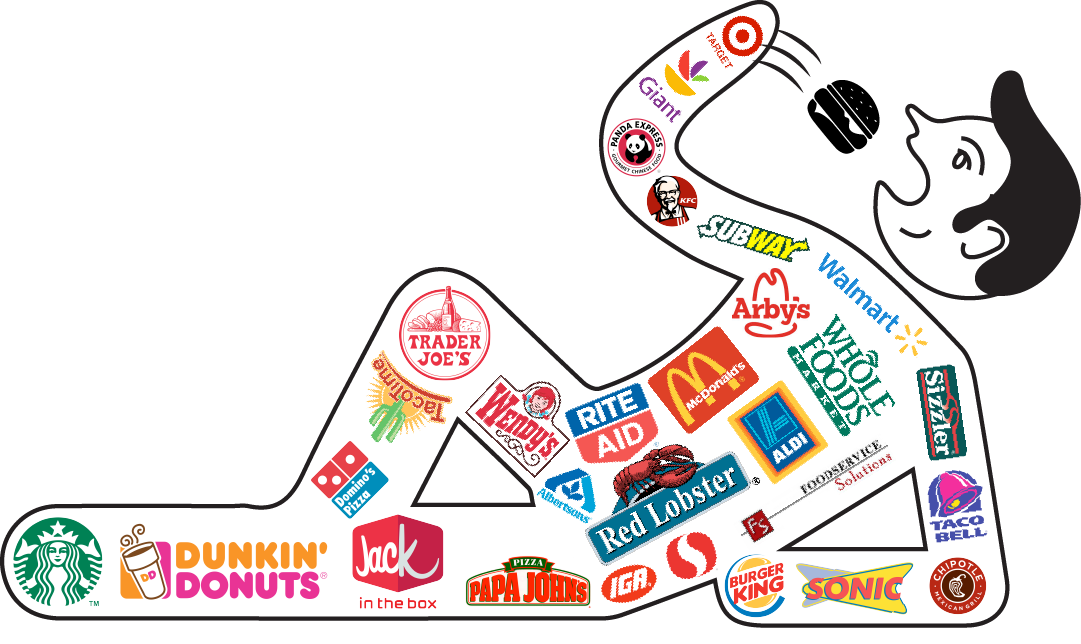
Do You Want A Larger

Share of Stomach 


The Grocerant Guru's Take

From the perspective of the Grocerant Guru®, DoorDash’s strategy underscores three core principles of incremental success in non-traditional food distribution:

1.       Target Unmet Consumer Needs: DoorDash identifies and prioritizes underrepresented product categories—like cannabis-infused products—that resonate with emerging consumer demands.

2.       Leverage Partnerships Over Infrastructure: Unlike legacy grocery stores, which must integrate new products into their physical shelves, DoorDash relies on flexible partnerships with retailers to quickly test and deploy offerings.

3.       Emphasize Mix-and-Match Convenience: Bundling cannabis edibles, beverages, restaurant meals, and snacks simplifies decision-making for consumers, enhancing its value proposition.

DoorDash will continue to "eat away" at legacy grocery store margins as its innovation outpaces traditional retailers’ ability to adapt. With the cannabis category alone poised to redefine profitability benchmarks in food retail, DoorDash exemplifies how agility in product offerings leads to long-term dominance.


Implications for Legacy Grocery Stores

To remain competitive, traditional grocers must reconsider their aversion to high-margin, non-traditional product categories. Expanding into cannabis-infused goods, leveraging e-commerce for unique product bundling, and fostering digital partnerships can help grocers recapture lost market share.

However, without immediate action, the Grocerant Guru® predicts a seismic shift where DoorDash and other digital-first platforms not only exploit emerging trends but reshape the food distribution landscape, leaving legacy retailers struggling to maintain relevance.

The Takeaway: DoorDash’s ability to embrace unconventional opportunities underscores the evolving needs of today’s consumers. As it continues to innovate, legacy grocers must look beyond their comfort zones—or risk obsolescence

Don’t over reach. Are you ready for some fresh ideations? Do your food marketing ideations look more like yesterday than tomorrow? Interested in learning how Foodservice Solutions® can edify your retail food brand while creating a platform for consumer convenient meal participationdifferentiation and individualization?  Email us at: Steve@FoodserviceSolutions.us or visit us on our social media sites by clicking the following links: Facebook,  LinkedIn, or Twitter