Showing posts with label Chain Restaurant. Show all posts

Tuesday, October 29, 2024

Denny’s: Surviving Where Other Family Restaurants Have Fallen


Over the past several decades, the American family restaurant landscape has drastically changed. Once-dominant players have either shuttered their doors or faded into obscurity. Yet, amidst the turmoil, Denny's has managed to endure, a testament to its adaptability and understanding of shifting consumer habits, according to Steven Johnson Grocerant Guru® at Tacoma, WA based Foodservice Solutions®. To fully appreciate Denny’s resilience, we must explore why many of its competitors have vanished and why Denny’s remains a staple in the dining industry.

Family Restaurant Chains That Have Disappeared or Are Nearly Gone

1.       Howard Johnson’s: Once a beacon of the American highway, Howard Johnson’s was synonymous with family dining in the mid-20th century. With its bright orange roofs and standardized menu, it catered to families on road trips. However, as fast food chains gained traction in the 1970s and ’80s, offering quicker service and cheaper meals, Howard Johnson’s couldn’t keep up with evolving consumer demands. The rise of more affordable, flexible dining options led to its eventual decline.


2.       Shoney’s: Known for its family-friendly vibe and buffet-style offerings, Shoney’s thrived in the 1980s but struggled with stiff competition from faster, more affordable chains like Cracker Barrel and Golden Corral. Franchise mismanagement and an inability to modernize its brand to appeal to younger consumers accelerated its near extinction.

3.       Chi-Chi’s: This Mexican-themed family restaurant had its heyday in the 1980s and early 1990s. However, a combination of health scares and a lack of menu innovation left it vulnerable to competition from more authentic Mexican chains and fast-casual giants like Chipotle. A fatal hepatitis outbreak in the early 2000s dealt the final blow.

4.       Friendly’s: Known for its ice cream and casual dining, Friendly’s was a staple for families throughout the Northeastern U.S. But as consumer tastes shifted toward healthier options and fast-casual dining, Friendly’s couldn’t keep pace. Financial struggles, coupled with numerous restaurant closures, have left the brand a shadow of its former self.

5.       Village Inn: While it still exists in some areas, Village Inn has seen its market presence shrink considerably since its peak in the 1980s. Declining interest in traditional sit-down dining, coupled with a failure to adapt to the convenience-focused dining landscape, has pushed this family restaurant to the margins.

6.       Sambo’s: Once a popular family restaurant chain, Sambo’s fell victim to controversy over its racially insensitive branding and marketing. Despite attempts to rebrand, the damage to its reputation was irreversible, and the chain ultimately collapsed.


Why Denny’s is Still Here: 7 Reasons for Its Endurance

1.       Adaptation to Consumer Trends: Denny’s has shown an uncanny ability to evolve with consumer preferences. From embracing healthier menu options to expanding its offerings for various dietary needs, such as gluten-free and vegan choices, the chain consistently adapts to the changing tastes of its clientele.

2.       24/7 Availability: One of the biggest competitive advantages Denny’s offers is its around-the-clock service. The 24/7 operating model has long been a key differentiator, capturing the late-night and early-morning dining crowd that other chains overlook. Whether it’s a 3 AM breakfast or a midnight snack, Denny’s remains a go-to option.

3.       Menu Diversity and Affordability: Unlike many of its failed competitors, Denny’s has maintained a diverse menu that appeals to a broad demographic. From breakfast all day to hearty dinner options, its offerings cater to both traditional family diners and late-night millennials. Importantly, Denny’s has managed to keep prices affordable, ensuring it remains a budget-friendly choice in an increasingly competitive market.


4.       Strong Brand Recognition: Denny’s iconic status as a quintessential American diner gives it a nostalgic appeal. Over the years, the brand has cultivated a loyal customer base who associate it with family dining and comforting meals. The consistent branding has helped the chain weather storms that other family restaurant chains could not survive.

5.       Strategic Innovation: Denny’s has been forward-thinking in embracing digital technology and delivery options. Its “Denny’s on Demand” initiative, launched in 2017, enabled customers to order online for pickup or delivery, making the brand more accessible in an era where convenience reigns supreme. This move was critical in attracting a younger, tech-savvy customer base.

6.       Loyalty Programs: The “Denny’s Rewards” program is another key reason behind the chain’s continued success. By rewarding repeat customers with discounts, promotions, and personalized offers, Denny’s has cultivated a loyal following that keeps customers returning.

7.       Flexible Dining Formats: Unlike its competitors, Denny’s has embraced a range of dining formats, from sit-down service to takeout and delivery. During the COVID-19 pandemic, the chain quickly pivoted to enhance its off-premise dining capabilities, including curbside pickup, which helped it navigate the challenging period while many other family chains struggled to adapt.


Think About This

Denny’s survival amidst the collapse of other family restaurant chains is no accident. Its ability to adapt, innovate, and maintain brand relevance over the decades has kept it afloat while others have floundered. The fall of chains like Howard Johnson’s and Friendly’s demonstrates how quickly consumer preferences and market conditions can shift, but Denny’s continues to evolve, ensuring that its booths will remain filled for years to come.

Do your food marketing tactics look more like yesterday than tomorrow?  Visit GrocerantGuru.com for more information or contact: Steve@FoodserviceSolutions.us Remember success does leave clues and we just may have the clue you need to propel your continued success.


Wednesday, February 7, 2024

Why Gen Z and Millennials will buy Lot’s of Game Day Food at 7-Eleven


While 7-Eleven is a global convenience store chain that offers a variety of products and services, from snacks and drinks to ATMs and lottery tickets. The company has been around since 1927, but it has recently gained popularity among younger generations, especially Gen Z and Millennials seeking food discovery. What makes 7-Eleven so appealing to these consumers according to Steven Johnson Grocerant Guru® at Tacoma, WA based Foodservice Solutions®? Here are some possible reasons:

Convenience and Accessibility

One of the main reasons why Gen Z and Millennials like 7-Eleven is because it is convenient and accessible. These generations are busy, multitasking, and always on the go. They value convenience and speed over anything else. 7-Eleven provides them with a one-stop shop for their everyday needs, whether it is grabbing a quick bite, refilling their gas tank, or paying their bills. 7-Eleven has over 71,000 stores in 21 countries, making it easy to find one nearby. The stores are also open 24/7, catering to the flexible and unpredictable lifestyles of Gen Z and Millennials.


Innovation and Technology

Another reason why Gen Z and Millennials like 7-Eleven is because it is innovative and tech-savvy. These generations are digital natives, who grew up with the internet and smartphones. They expect brands to be up to date with the latest technology and trends.


Note: 7 Eleven has been investing in digital transformation and innovation, such as launching its own mobile app, offering delivery and pickup services, introducing self-checkout kiosks, and partnering with tech companies like Uber and Amazon23. 7 Eleven also uses data and analytics to personalize its offerings and promotions, based on customer preferences and behavior4.

Diversity and Inclusion

A third reason why Gen Z and Millennials like 7-Eleven is because it is diverse and inclusive. These generations are more diverse and socially conscious than previous ones. They care about issues such as equality, justice, and sustainability. They also seek out brands that reflect their values and identities. 7-Eleven has been embracing diversity and inclusion, both internally and externally. The company has a diverse workforce, with 40% of its corporate employees and 67% of its franchisees being people of color. The company also supports various causes and communities, such as veterans, LGBTQ+, and environmental initiatives. 7-Eleven also offers a wide range of products and services, from ethnic foods and beverages to vegan and organic options, to cater to the diverse tastes and needs of Gen Z and Millennials.

All of that said, let’s look as some of the Game Day offerings; from Feb. 9-11, 7-Eleven, Speedway and Stripes convenience stores will offer deals on fan-favorite items and game day must-haves like pizza and chicken wings.


Promotional deals include:

·         One large pizza and 10 wings for $14 — In-store customers and those who place orders for delivery can get a whole cheese or pepperoni pizza plus 10 bone-in wings.

·         Free pizza through 7NOW Gold Pass — On Super Bowl Sunday only, Gold Pass subscribers to the 7NOW delivery service can get three free pizzas for delivery or pickup, with a limit of one order per subscriber. The 7NOW Gold Pass allows customers to have their delivery fee waived when they order from a selection of more than 3,000 7-Eleven products.

·         $15 off 7NOW orders above $30 — This offer is available for delivery or pickup, limit one per customer.

·         $5 pizza — Any flavor pizza is available for just $5 only via 7NOW Delivery.

·         Five for $5 bone-in wings — Only available via 7NOW Delivery, customers can get five Spicy Breaded, BBQ, Roasted or Buffalo bone-in wings for just $5.

Customers can also add refreshments like Slurpee drinks, coffee to make sure they stay alert for the whole game, or the CELSIUS Fizz-Free Blue Razz Lemonade flavor, available exclusively at 7-Eleven, Speedway and Stripes locations.


"This match-up is more than a game; it's a cultural phenomenon, but as iconic as the Big Game is, pizza and wings are the real MVPs," said Dave Strachan, senior vice president, fresh foods at 7-Eleven. "Whether you're a die-hard fan or just in it for the snacks, pizza and wings are the perfect teammates, and 7-Eleven is proud to be a part of the game day memories made."

7-Eleven is a convenience store chain that has been attracting Gen Z and Millennials with its convenience, innovation, and diversity. The company has been adapting to the changing needs and preferences of these generations, who are looking for more than just a place to buy things. 7-Eleven has been providing them with a place to experience things, to connect with others, and to express themselves. 7-Eleven is not just a convenience store, it is a lifestyle brand.

Success does leave clues. One clue that time and time again continues to resurface is “the consumer is dynamic not static”.  Regular readers of this blog know that is the common refrain of Steven Johnson, Grocerant Guru® at Tacoma, WA based Foodservice Solutions®.  Our Grocerant Guru® can help your company edify your brand with relevance.  Call 253-759-7869 for more information. 


Friday, September 22, 2023

Casey's General Store Technology Solutions Make Us Better


Casey's General Stores continues looking a customer ahead entering into new technology partnerships that will reduce ‘pain-points’ for both customers and employees according to Steven Johnson Grocerant Guru® at Tacoma, WA based Foodservice Solutions®. Casey’s is upgrading its foodservice program with two new technology solutions that will streamline operations and while adding convenience to the ordering process.

Casey’s first partnered with Jolt to implement a digital food label content distribution and printing platform across its network. The digital food labeling system generates printed labels on demand, eliminating inventory management for dozens of pre-printed label SKUs, while the label content distribution platform manages label changes at the distribution center or corporate level, automatically updating labels across all stores without the costs of pre-printed label inventory.

Brad Haga, senior vice president, prepared food and dispensed beverage, for Casey's, stated, "Jolt's digital labeling system has transformed the labeling process in our kitchens as we continue to modernize operations. It allows us to quickly and efficiently adapt to any recipe or label changes, helping us to simplify the operation of our kitchens for our hardworking team members," ... "Working with Jolt has been fantastic — they're a valued partner in our pursuit of efficiency and growth."


The flexibility of Jolt's label content design and distribution technology enables large foodservice providers to quickly respond to changing recipes, nutrition facts and FDA requirements, the company said in a press release.

Jolt CEO Josh Bird, stated, "Working with Casey's to deliver and install over 2,500 label printing stations in under 11 weeks was amazing. We couldn't have asked for a better partner, and look forward to future collaboration on technology that makes their operation even more efficient ".

Casey’s then launched a system-wide rollout of AVA (Automated Voice Assistant), a conversational artificial intelligence voice ordering system powered by SYNQ3 Restaurant Solutions' SYNQ Voice technology. AVA enhances the ordering experience for customers by answering every call, providing convenient reorder options and processing new orders in a natural conversational interaction.

The c-store chain first initiated a test with SYNQ3 in late 2022 to align with its three-year strategic plan to accelerate the off-premise food business and enhance operational efficiency.


Sanjeev Satturu, chief information officer at Casey's, stated, "We are excited to partner with SYNQ3 to give our team members more time to focus on our guests and operating our stores," …. "We are committed to reducing friction on our guests and team members by leveraging technology to simplify and streamline the ordering experience."

Yes, Casey's team members benefit from the streamlined operational execution that allows them to focus on fulfilling orders and serving guests in stores, according to the company.

SYNQ3 CEO Steve Bigari, stated, "Casey's is a brand synonymous with visionary leadership. Their commitment to customer satisfaction and quality service is inspiring," ... "Their forward-thinking leadership and dedication to lead with innovative technologies will revolutionize off-premise order-taking and continue to reinforce Casey's as an industry trailblazer."

Foodservice Solutions® team is here to help you drive top line sales and bottom-line profits. Are you looking a customer ahead? Visit GrocerantGuru.com for more information or contact: Steve@FoodserviceSolutions.us Remember success does leave clues and we just may the clue you need to propel your continued success.


Tuesday, June 28, 2022

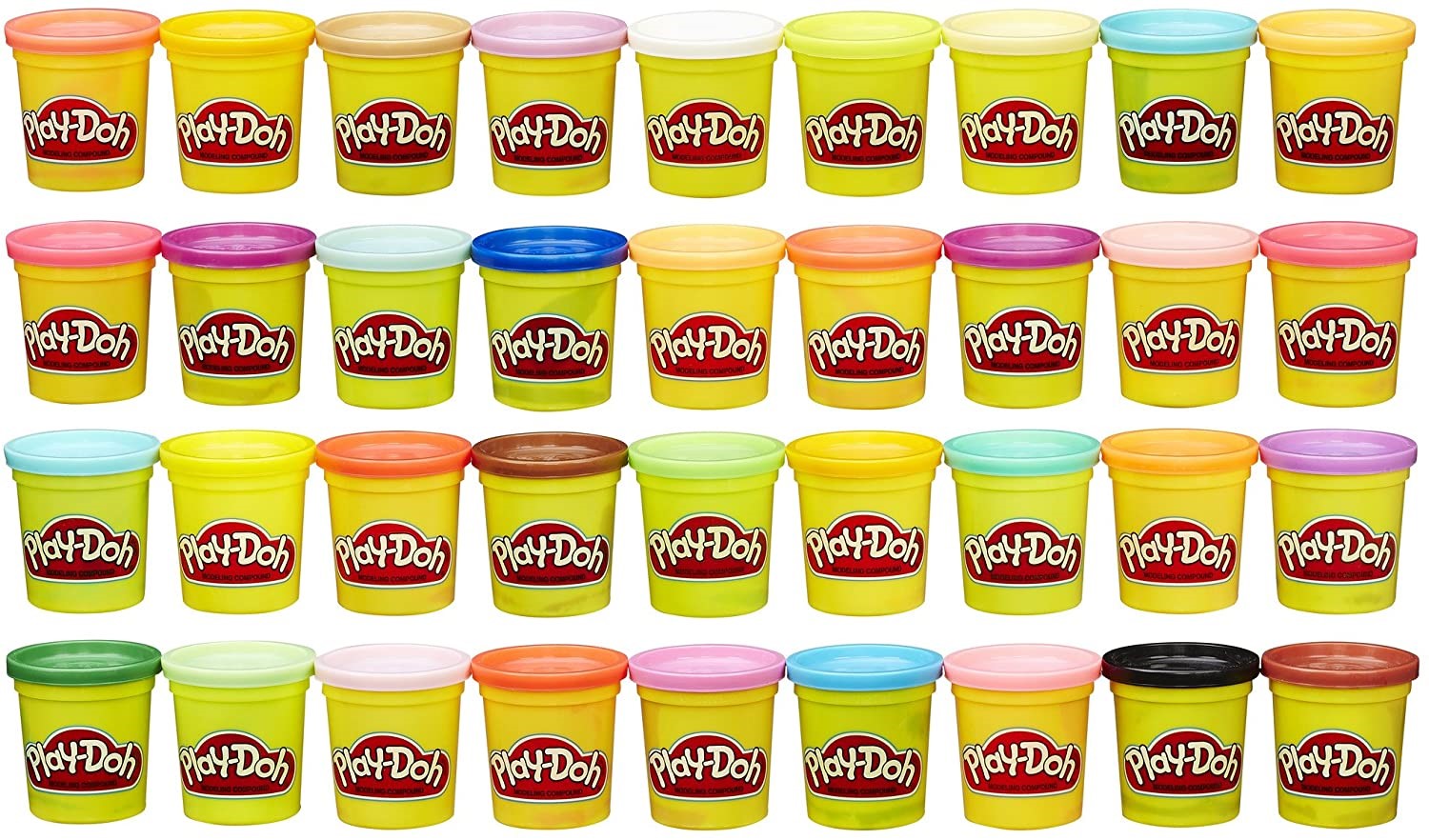
Is the Metaverse Just Play-Doh for Food Retailers


Where are you selling food today?  Just this month retailer after retailer seems to be experimenting with a new format, platform, delivery type, or menu item that ‘travels well’, according to Steven Johnson, Grocerant Guru® at Tacoma, WA based Foodservice Solutions®.

These days, even the most regional restaurant chains are investing in new store prototypes with smaller dining rooms and increased focus on drive-thru’s and digital orders. To keep up with consumer demand, the most tech-forward brands are coming up with even flashier, digital-forward store designs, like Taco Bell’s newly announced ‘Defy’ four lane-drive thru design.

Just consider some of what you have read about this month on this blog alone. The restaurant industry observed several new digital technology-focused store prototypes being announced, including at Taco Bell and Panera.

Yes, robots are again taking up space in the restaurant industry, with Grubhub bringing delivery bots to college campuses and Chick-fil-A investing in AI. Also, the latest food brand to dive into the metaverse is Kraft, which filed trademarks for NFTs and a future digital restaurant. Is the Metaverse a true platform or is it a place where kids will play, and retailers compete for young eyeballs?  How long will it be before you see a return on a investments in the Metaverse? 


Once again Tech Tracker rounds up what’s happening in the technology sector of the restaurant industry, including news from restaurants, vendors, digital platforms, and third-party delivery companies. Here’s a breakdown of what you need to know and why:

Kraft enters the metaverse

Kraft became the latest — and one of the largest — food companies to enter the metaverse by filing trademark applications for its brands Kraft, Jell-o, Kool-Aid, Velveeta, Lunchables, Oscar Meyer, and Philadelphia. Like almost every other brand before it, Kraft has not made any official announcement of plans for its digital presence, but the trademark includes NFTs, and virtual restaurants, food and drinks. Kraft isn’t the only restaurant to make the digital dive: Tony Roma’s applied for NFT trademarks in the metaverse last month.

Panera and Taco Bell launch digital tech-forward store formats

Panera Bread and Taco Bell have both been tech pioneers in the restaurant industry and now both brands are pushing the boundaries of tech-forward store prototypes.

Taco Bell’s new store offering will be known as “Defy” and opened in Brooklyn Park, Minn. this month with four drive-thru lanes and a host of digital tech conveniences like digital check-in screens that let customers place orders via QR code and get their food delivered by a contactless proprietary lift system, while two-way audio and video features will allow customers to chat with employees throughout the touchless process.

While Panera Bread’s new Panera To Go unit with no seating is not nearly as flashy as Taco Bell, it’s worth noting that Panera has been pushing the boundaries of contactless technology since the pandemic began. Panera to Go follows the announcement of contactless dine-in service, and has both a drive-thru and a pickup area for guests and delivery drivers.


Chick-fil-A now has delivery robots

Chick-fil-A is the latest quick-service restaurant to dabble in AI technology. The chicken chain is partnering with Refraction AI to test autonomous delivery at two locations in Austin, Texas (which is proving to be the hotbed of autonomous delivery and drone tests).

This self-driving robot drives either in the bike lane or shoulder of the road and is designed to complete last-mile deliveries without pressing further labor needs.

“The platform will allow us to provide fast, high quality, and cost-effective meal delivery within a mile radius of our restaurant all while helping to keep the community we serve environmentally clean and safe,” Chick-fil-A franchisee Luke Steigmeyer said about the service being tested at his restaurant.

Grubhub brings autonomous delivery to college campuses

Speaking of delivery robots, Grubhub is investing in AI and bringing bots to college campuses nationally this fall in partnership with Cartken. The pilot was tested in partnership with Ohio State University this spring and will now be rolled out to 250 college campuses when students return from summer break.

"We're thrilled to be working with Grubhub to delight students and campus staff with robot delivery," Christian Bersch, CEO of Cartken said in a statement. "This collaboration perfectly aligns with our mission to use robotics and AI technology to provide friction-free and environmentally sustainable delivery, and have robots serve the community.”


Lunchbox acquires digital ordering provider NovaDine

Tech trailblazer Lunchbox has entered the acquisition space for a second time with the announcement that the company has agreed to acquire NovaDine, which offers an end-to-end digital ordering solution. NovaDine’s roster of restaurant partners includes Firehouse Subs, Torchy's Tacos, Taco Bueno, and Steak & Shake—which have now been added to Lunchbox’s list of partners.   

This announcement comes on the heels of Lunchbox’s acquisition of online marketplace, Spread. With these acquisitions, Lunchbox cements its goal of becoming the go-to end-to-end tech solution.

"Traditionally, restaurants have faced the enormous hurdle of having to choose between multiple different technology tools to run their businesses, understand their digital clients and scale operations,” Lunchbox CEO Nabeel Alamgir said in a statement. “NovaDine has built an entire platform that enables the operator to manage all digital orders from a single operating system.”

DoorDash adds Yelp-like review features

DoorDash has been busy over the past month, with the finalization of food delivery company Wolt’s acquisition, and the announcement that the company would launch and curate in-app reviews, much like Yelp, to expand its algorithm to customer recommendations.

DoorDash now offers customers lists of top-rated restaurants in their neighborhood, with features including written reviews and most liked items, to end the customer tendency of endless, aimless scrolling through the DoorDash app.

DoorDash is the last of the “big three” delivery companies to add written reviews, but the first to include curated top 10 lists for customers based on cuisine, location, etc.


Square launches mobile POS capabilities

POS systems are making the upgrade as operators demand for more capabilities on handheld devices, as opposed to traditional POS systems. Square announced last month a new capability: Square for Restaurants mobile POS, which allows servers to take orders and payments through the device in their pockets. The two devices Square will be using are Square Terminal and the upcoming Restaurant Mobile POS kit, which will be released this fall.

Features of these new devices include order flow management from kitchen to table, route tickets, connections to loyalty programs and integration with OpenTable.

BentoBox now does payments  

BentoBox joins the throng of tech companies racing to add features and become an “all in one” tech solution: the all-new BentoBox Payments is in partnership with Clover and allows employees to take orders, process payments and manage them all in one platform.

“Restaurants don’t have the time or resources to balance countless dashboards and partners. Instead, they need simple, unified solutions that enable them to reach their customers on their terms,” Krystle Mobayeni, cofounder of BentoBox and head of restaurants at Fiserv said in a statement. “We’re meeting this need and bringing restaurants a customizable platform that improves front- and back-of-house operations and delivers an exceptional digital experience for diners.”

 Foodservice Solutions® specializes in outsourced business development. We can help you identify, quantify and qualify additional food retail segment opportunities or a new menu product segment and brand and menu integration strategy.  Foodservice Solutions® of Tacoma WA is the global leader in the Grocerant niche visit us on our social media sites by clicking one of the following links: Facebook,  LinkedIn, or Twitter